Designing a Home That Feels Like You
A home that feels right is not defined by trends, but by intention. It reflects who you are, how you live, and what you value.

Mira Hanssen
Founder of Sōma
Designing a home is less about creating an image and more about shaping a feeling. The most meaningful spaces are not perfect or prescribed; they are personal, layered, and quietly expressive. When a home reflects its inhabitants, it becomes a place of comfort, recognition, and belonging.
Listening to How You Live
A home begins with observation. The way you move through rooms, where you pause, and how you gather all reveal what a space truly needs.
Rather than forcing a layout or style, designing with awareness allows rooms to evolve naturally. Furniture is placed where it supports daily routines, not where it simply looks correct.
When design responds to real habits, spaces feel effortless. The home begins to work with you, not around you.
Choosing with Meaning
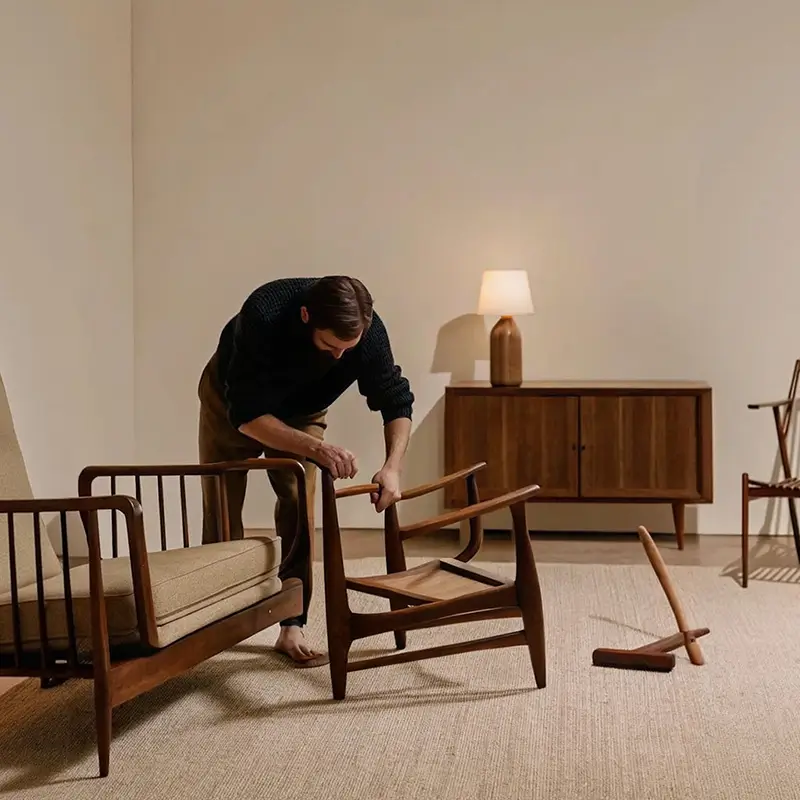
Objects carry weight beyond their function. A chair, a table, or a lamp becomes meaningful when it resonates with memory, comfort, or purpose.
Selecting pieces slowly allows intuition to guide decisions. Instead of filling a room, each object earns its place through use, feeling, or quiet beauty.
This approach creates spaces that feel authentic. Rather than following a fixed style, the home becomes a collection of thoughtful choices that reflect individual values.
Allowing Space to Evolve
A home that feels personal is never finished. It adapts as life changes, welcoming new routines, people, and moments.
By choosing timeless forms and durable materials, spaces remain flexible rather than fixed. Furniture can move, layers can shift, and rooms can take on new roles without losing their sense of balance.
In this way, designing a home becomes an ongoing process. One that grows alongside you, reflecting not just who you are today, but who you continue to become.